


What is a Heavy Copper PCB?
A Heavy Copper PCB refers to a printed circuit board (PCB) with significantly thicker copper layers compared to standard PCBs. In typical PCBs, the copper thickness ranges from 0.5 oz/ft² to 1 oz/ft², while in heavy copper PCBs, the thickness can range from 3 oz/ft² to 20 oz/ft² or even higher. This extra thickness enhances the PCB's ability to carry high currents, dissipate heat efficiently, and improve mechanical strength, making heavy copper PCBs ideal for use in applications requiring high power, extreme conditions, or heavy-duty performance.
Copper Thickness in Heavy Copper PCBs
Standard PCBs use copper thicknesses in the range of 0.5 to 1 oz/ft², which equals around 17 to 35 microns. In contrast, heavy copper PCBs can have copper layers ranging from 3 oz/ft² to 20 oz/ft² or more, significantly increasing their ability to handle high electrical currents and thermal stress. For context, 1 oz of copper spread over 1 square foot equates to a thickness of about 35 microns. When the copper thickness rises to 3 oz or higher, the overall capacity of the PCB to handle electrical load increases dramatically.
Why Choose Us
Professional Team
A security service provider trusted by customers, it serves customers in many industries such as government and enterprises, finance, medical care, Internet, e-commerce and so on.
Technical Support
Our team of experts is available to assist with troubleshooting, answer technical inquiries, and provide guidance.
Reliable Supply
We offer a vertically integrated supply chain model to ensure reliable long-term supply and complete traceability.
Customer Service
We prioritize open communication to address our clients' specific requirements and deliver personalized solutions.
Related Products

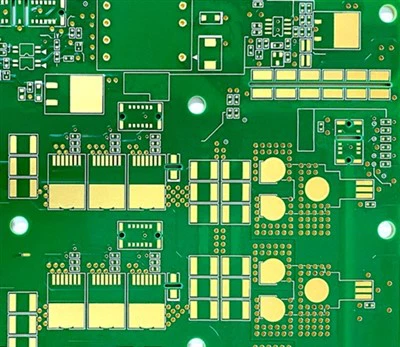


Advantages of Heavy Copper PCBs
High Current Carrying Capacity
The increased copper thickness allows heavy copper PCBs to support much higher electrical currents without overheating or causing circuit failure. This makes them ideal for applications like power converters, power distribution systems, and industrial controllers that require large currents.
Superior Heat Dissipation
The thicker copper layers in heavy copper PCBs provide excellent heat dissipation, helping prevent damage to the circuitry from high temperatures. This characteristic is especially critical in applications such as electric vehicles (EVs), power modules, and high-power LED lighting, where consistent heat management is necessary for long-term reliability.
Enhanced Mechanical Strength
Heavy copper PCBs offer increased mechanical strength, making them capable of withstanding extreme environments, such as high vibration, shock, and rapid temperature fluctuations. This makes them a go-to solution for automotive electronics, aerospace, and military equipment that require durable, high-performance PCBs.
Complex and High-Power Design Capabilities
These PCBs allow for more sophisticated and intricate designs by supporting multi-layer circuits with varying copper thicknesses. This versatility enables engineers to design circuits that meet specific power density requirements without compromising on performance or reliability.
Applications of Heavy Copper PCBs
Heavy copper PCBs are widely used in applications that require high current and superior reliability. Some common sectors and use cases include:
In power converters, inverters, and uninterruptible power supplies (UPS), heavy copper PCBs are essential for managing the flow of large currents and ensuring that the systems do not overheat during operation.
With the growing demand for electric vehicles (EVs) and hybrid electric vehicles (HEVs), heavy copper PCBs play a critical role in managing high-power battery systems and motor control units that require efficient heat dissipation and high current-handling capabilities.
These sectors require PCBs that can operate in extreme environments, including high temperatures and mechanical stress. Heavy copper PCBs provide the robustness and reliability needed for equipment in these demanding fields.
As high-power LED lighting systems become more common, the ability to manage large amounts of heat becomes increasingly important. Heavy copper PCBs help dissipate the heat generated by LEDs, improving efficiency and extending the lifespan of the lighting systems.
How Does a Heavy Copper PCB Work?
A Heavy Copper PCB operates by using significantly thicker copper layers than standard PCBs, allowing it to handle higher currents and improve heat dissipation. In a typical PCB, the copper traces act as conductive pathways for electricity, but in heavy copper PCBs, these traces are much thicker, enabling the board to carry larger electrical loads without overheating or causing failures.
The thicker copper layers also help spread and dissipate heat more effectively, ensuring that the components on the board remain within safe operating temperatures. This feature is particularly crucial in high-power applications like power supplies, automotive electronics, and industrial machinery, where reliable thermal management is key to preventing damage and ensuring long-term stability.
Additionally, heavy copper PCBs allow for multi-layer circuit designs, where each layer can have varying copper thicknesses to meet different electrical or thermal requirements. This flexibility makes them suitable for complex, high-power designs, offering enhanced mechanical strength to withstand harsh conditions like extreme temperatures, vibrations, or physical stress.
In summary, heavy copper PCBs work by utilizing thick copper layers to improve current capacity, heat management, and durability, making them ideal for demanding electrical applications.
Types of Heavy Copper PCBs
Heavy Copper PCBs come in several types, each designed to meet specific application needs:
Single-Sided Heavy Copper PCB
Features one layer of thick copper for simple, high-current applications.
Double-Sided Heavy Copper PCB
Has thick copper layers on both sides, allowing for more complex circuitry and better power distribution.
Multilayer Heavy Copper PCB
Contains multiple copper layers with varying thicknesses, ideal for high-power, high-density applications.
Hybrid Heavy Copper PCB
Combines heavy copper layers with standard copper layers, offering a balance of cost-efficiency and performance for specific design requirements.
Design Process of Heavy Copper PCBs
The design process of a Heavy Copper PCB is more intricate than that of standard PCBs due to the increased copper thickness and the need to handle high currents and dissipate heat effectively. Here's an overview of the key steps involved:
The first step is to analyze the specific needs of the application, including the current-carrying capacity, heat dissipation, and mechanical strength requirements. These factors will determine the copper thickness, typically ranging from 3 oz/ft² to 20 oz/ft² or more, and the overall design approach.
In this stage, the designer creates the PCB layout using CAD software, defining the copper traces, layers, and components. Special attention is given to the trace width and spacing to accommodate the increased current loads. Power planes and thermal vias are often included to help distribute heat evenly across the board.
Heavy Copper PCBs require high-quality base materials to withstand the added stress from thicker copper and higher temperatures. FR-4, polyimide, and ceramic-based laminates are common choices depending on the application's thermal and mechanical requirements.
The thick copper layers are applied using a process called plating. Multiple passes of copper electroplating are used to build up the desired copper thickness on the board. This step is crucial to ensure uniformity in copper distribution across all layers.
Designers must ensure the board can dissipate heat effectively to avoid overheating. This often involves integrating thermal management solutions such as heatsinks or designing thermal vias to transfer heat away from critical areas.
Once the design is complete, the PCB undergoes testing to ensure it meets electrical and thermal performance specifications. This may include current load testing, thermal cycling, and mechanical stress tests.
Our Factory
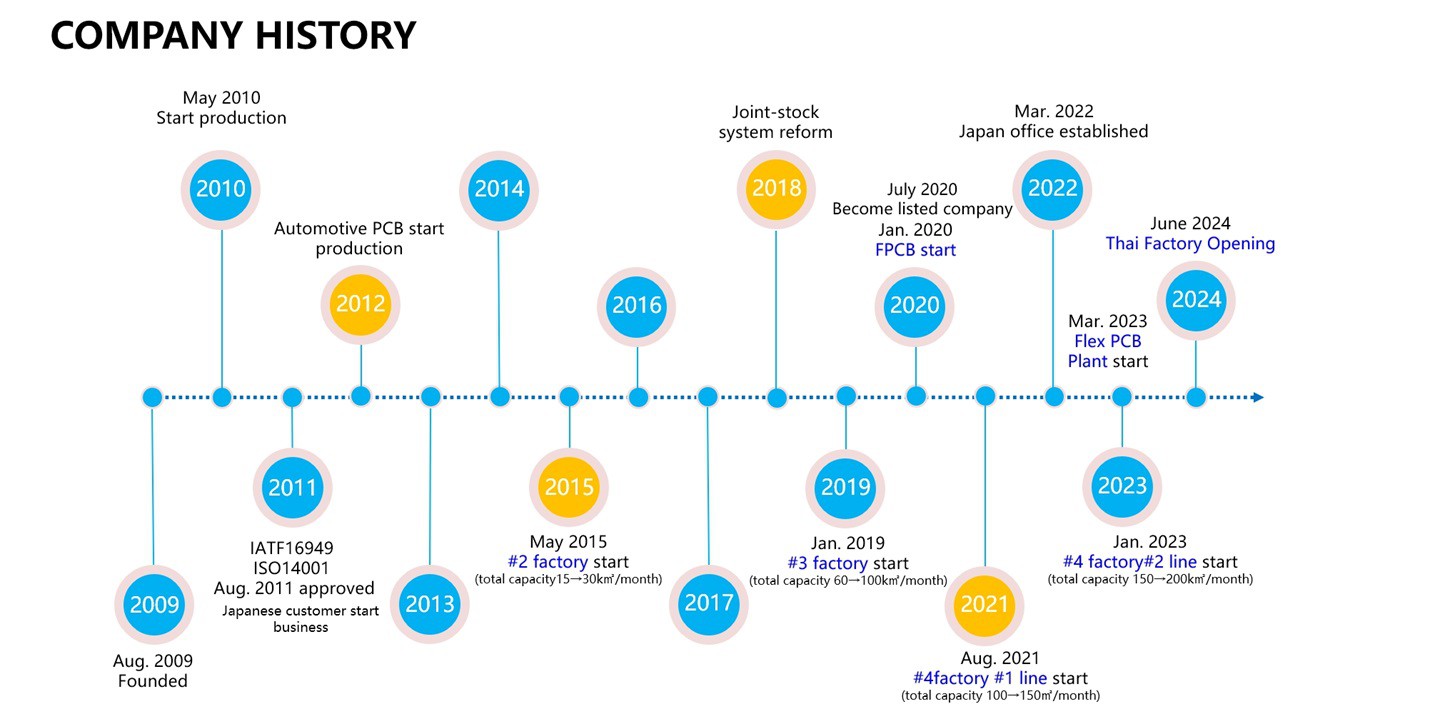
Sihui Fuji Electronics Technology Co., Ltd. Founded in 2009, it has been focusing on long-term and reliable circuit board production for 14 years. With the production strength of allegro proofing, mass production, multiple product names, various batches, and short delivery time, it provides one-stop comprehensive services to meet the needs of customers to the greatest extent. It is a chinese electronic circuit board manufacturer with rich experience in quality management of japanese companies. Business.

Partner with the Leading Manufacturer for Your Heavy Copper PCB Needs!
At Fuji, we specialize in delivering high-quality Heavy Copper PCBs designed to meet the demands of high-current, high-power applications. As a trusted manufacturer and supplier, we understand that every project is unique, which is why we offer fully customizable OEM services tailored to your exact specifications.
Our products are engineered for superior performance, excellent heat dissipation, and enhanced mechanical strength. We work closely with our clients to ensure that every PCB we produce is optimized for maximum efficiency and reliability in even the most challenging environments.
Our expert team is ready to assist you through every step of the process, from initial design to final production. With our cutting-edge technology and years of experience, we deliver products that exceed expectations.
Get in touch with us today for a free consultation and quote. Let’s power your innovations with the industry’s best Heavy Copper PCB solutions!
As one of the leading heavy copper pcb manufacturers and suppliers in China, we warmly welcome you to buy or wholesale bulk heavy copper pcb for sale here from our factory. All customized products are with high quality and competitive price. Contact us for quotation and free sample.
12L Heavy copper circuit board, 12L Heavy copper pcb, 5ounce Heavy Copper Board