

Factors affecting the solderability of PCB
Leave a message
Solderability of circuit boards refers to whether the surface of the circuit board is well compatible with welding materials and processes. There are many factors that affect the solderability of circuit boards, including materials, processes, and design.
Materials have a significant impact on the solderability of circuit boards. The thermal expansion coefficient, thermal conductivity coefficient, melting point and other properties of different materials are different, therefore, different materials will have different effects on the thermal deformation and solder joint quality of circuit boards. To ensure the solderability of circuit boards, it is necessary to choose suitable materials and choose different welding processes based on different materials.
The welding process is also an important factor affecting the solderability of circuit boards. The viscosity, temperature, thickness and other parameters of solder paste, as well as factors such as heat control and welding time, can all affect the quality of solder joints. If the welding process is not appropriate, it can lead to solder joint defects on the circuit board, such as unstable solder joints, short circuits, open circuits, and other issues. Therefore, before welding, it is necessary to carefully study the welding process, adopt correct operating methods, and ensure welding quality.
The impact of welding temperature on solderability is that it affects the chemical composition of the circuit board. The material of the circuit board is usually FR4, which is a heat sensitive material. Therefore, it is necessary to pay attention to the temperature during the welding process, which should be controlled within 230 ℃. If the temperature is too high, it will cause changes in the chemical composition of the circuit board, thereby affecting the performance of the circuit board and leading to circuit failure issues.
Welding time is also one of the important factors affecting weldability. The circuit board cannot be heated for a long time, and the general welding time should not exceed 5 seconds, otherwise it will have a significant impact on the solderability of the circuit board. Area is also an important factor affecting the solderability of circuit boards. The welding of large area copper foil is prone to problems such as false soldering and poor soldering at the welding points. Therefore, it is recommended to prioritize strengthening the connecting wires on the circuit board to improve its durability and connection reliability.
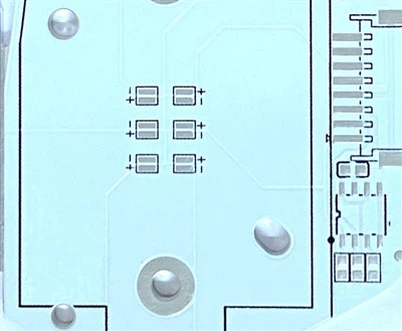
Design is also an important factor affecting the solderability of circuit boards. The layout of circuit boards, the arrangement of components, and the size of solder pads all have an impact on the welding quality. If designed improperly, it may lead to issues such as insufficient solder joint spacing and small solder pads, which can affect the solderability of the circuit board. Therefore, when designing circuit boards, it is necessary to consider the welding requirements and design according to standard specifications to ensure welding quality.
There are many factors that affect the solderability of circuit boards, but as long as we choose the appropriate materials, welding processes, and design circuit boards correctly, we can ensure the welding quality of circuit boards, avoid solder joint defects, and make circuit boards more reliable in use.