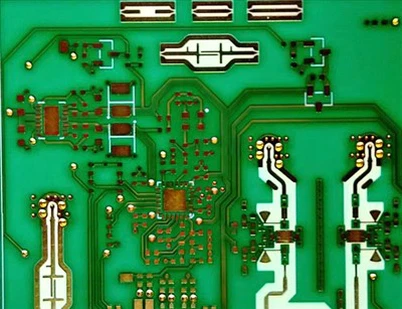


What are the characteristics of medical PCB application?
Leave a message
There are many types of medical devices, ranging from very ordinary standard devices to more complex devices. This kind of diagnosis and treatment can be divided into three categories:
Class 1: General medical devices.
This commodity is usually low risk. Although they use some diagnosis and treatment methods, it is difficult to cause accidental injuries, such as electronic scales, card gauges and dental mirrors.
Class 2: Special tools for diagnosis and treatment with certain risks.
The risk of this product is higher than that of the first product, but only limited to the actual operation and maintenance risks, such as electric wheelchairs and monitors.
Class 3: Life sustaining machinery and equipment.
This commodity is indispensable and needs to be manufactured according to the maximum specifications to ensure its high reliability. Once the life of such machines and equipment is terminated or ineffective, they will cause serious harm, such as cardiovascular stents and heart valves. We know that medical equipment must meet special specifications, and at the same time provide some basic specifications, whether in the role, manufacturing or quality management system level. PCB design used for diagnosis and treatment must have special electronic devices to achieve the special factors specified by output power, data signal quality, crosstalk and grounding devices, but the most important is its stability and safety factor. Safety is a critical issue, including radiation source, electrical equipment characteristics, thermal characteristics and mechanical equipment safety, all of which are driven by IPC Level 3 specifications. Therefore, it is very important to have a reliable PCB manufacturer to provide reliable PCB for medical products for diagnosis and treatment.