

The Introduction of QC Inspection
Leave a message
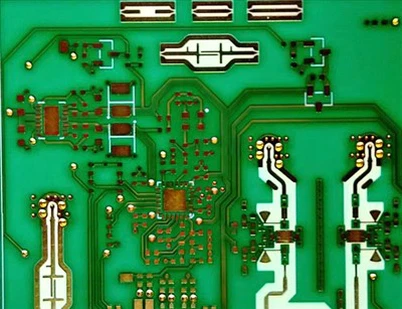
QC of circuit boards is one of the key steps to ensure the quality of circuit boards, and its importance is self-evident.
The main content of printed circuit board QC includes the following aspects:
1.Slice examination
Conduct quality judgment and preliminary analysis of the causes of defects through slicing. For example, coating cracks, hole wall layering, solder coating condition, interlayer thickness, coating thickness, hole coating thickness, lateral corrosion, inner layer ring width, interlayer overlap, coating quality, hole wall roughness, etc. Microsections made by micro sectioning technology of printed circuit boards can be used to check the thickness, number of layers, through-hole aperture size, and through-hole quality of internal wires in PCBA solder joints. They can also be used to check the internal voids, interface bonding status, and wetting quality evaluation of PCBA solder joints.
2.Weldability test
Solderability testing is aimed at finished circuit board products, and there is a solderability test conducted by the physical laboratory before shipment.
During the manufacturing process, solderability testing will not be conducted because the surface of the circuit board is still copper. Only after the silk screen solder mask is applied will the exposed solder pads undergo a surface treatment (such as gold deposition treatment, tin spraying treatment, etc.). After the surface treatment is completed, the finished product will be subjected to solderability testing to check if the solder pads are well soldered.
The solderability test of circuit boards is a commonly used method to detect whether the surface of circuit boards is easy to weld. This test can effectively evaluate the welding performance of circuit boards, including good thermal conductivity, surface smoothness, and penetration of solder pads.
Use welding parameters tailored to different welding processes to evaluate the heat and impact resistance of circuit boards. This can be achieved by placing solder pads on the board and applying a certain temperature and force. During the testing process, the wettability and flowability of the solder pads will be evaluated to ensure their perfect integration with the circuit board. At the same time, the strength and connectivity of solder joints can also be evaluated to determine their reliability during long-term use.

Picture:45 degree cross section

Picture:Oil dip
3.Thermal shock test
PCB thermal shock test is a very important test in PCB quality control. This test tests the heat resistance and stability of circuit boards by exposing them to rapid temperature changes under extreme temperatures.
a.Experimental Principles
Thermal shock test is a kind of test method that the test object is replaced from high temperature environment to low temperature environment, and then from low temperature environment to high temperature environment, and the test is carried out continuously in this cycle. This experiment simulates the use of electronic products in extreme temperature environments to test the stability and durability of circuit boards under temperature conditions that require long-term operation.
b.Experimental methods
The method of circuit board thermal shock test is to put the test piece into the laboratory, control the temperature from high to low and then to high cycle mode, and keep the balance for 30 minutes or 1 hour each time. The specific time is adjusted according to the actual needs. In order to maintain the accuracy of experimental results, the laboratory should have a good filtering and control environment, such as controlling room temperature, humidity, vacuum state, etc.
c.Experimental results
The result of thermal shock test of circuit board is to evaluate its stability and durability by observing the appearance and electrical performance of the test piece. After the experiment is completed, the test piece should be checked for signs of solder joint cracking, circuit melting, metal layer cracking, or other visible damages.
Sihui Fuji Quality Management (QC) adheres to zero outflow of defective products, remains responsible to customers, intercepts defective products within the company, only provides high-quality products to customers, meets their quality requirements, continuously promotes quality improvement within the company, and creates a high-quality circuit board manufacturer.