

The introduction of printed circuit board thickness
Leave a message
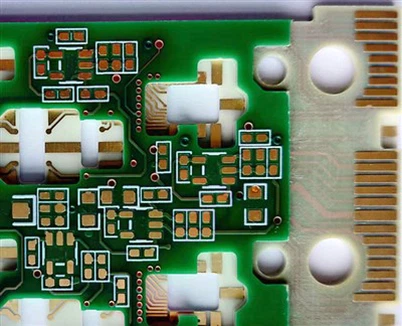
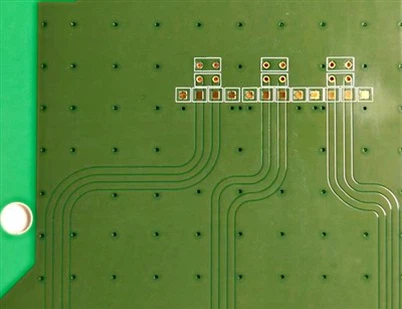
Printed circuit board is one of the important components in electronic components, and it is the primary medium used to configure electronic components. Therefore, its quality and thickness play a key role in product stability and performance.
Printed circuit boards are typically composed of materials such as copper clad, substrate, and ink. The thickness of the substrate directly affects the mechanical strength, heat dissipation capacity, and electrical performance of the board. In general, the common PCB thickness is 0.4-2.4mm. Among them, 0.4mm printed circuit boards are suitable for a large number of ordinary electronic devices. The 1.0 mm thick circuit board is the standard selected by most electronic companies; The 2.4mm thick circuit board is suitable for the production of precision instruments such as advanced instruments and data acquisition instruments.
When selecting printed circuit boards for electronic products in different application areas, emphasis should be placed on them. For example, high-end communication devices may seek higher strength from circuit board materials, while household appliances may seek higher price and economy from printed circuit boards. Generally speaking, the thickness of printed circuit boards in different application scenarios will also be adjusted accordingly. For example, a printed circuit board for installing small electronic components can use a 0.4mm thin plate, while traditional IC and capacitor circuits require a thickness of 1.5-1.8mm.
In addition, the thickness of the printed circuit board also serves to provide appropriate mechanical protection for the product. For example, if the product being designed will often be used in industrial or field environments, thicker circuit boards are required to ensure that they are not damaged by impact or vibration.
The thickness of the printed circuit board should be selected according to the specific application needs. For most applications, a thickness of 1.0 mm for printed circuit boards is an ideal choice because of its low cost, wide range of applications, and ability to meet usage requirements in most cases.