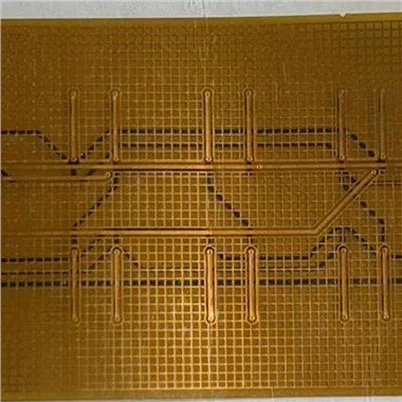


Brown oxidation of printed circuit boards
Leave a message
Generally speaking, printed circuit board manufacturing involves multiple processes, among which browning treatment is a very important step. Browning treatment can eliminate the oxide layer on the board, thereby improving physical and electrical properties, and improving the reliability and stability of the connection.
There are various methods for printed circuit board browning treatment, including chemical browning and electrochemical browning. Chemical browning refers to soaking a printed circuit board in a specific chemical solution, causing the oxide layer to detach from the surface. This method is simple and feasible, but the effect is different. Electrochemical browning is the use of electrochemical reactions to eliminate oxide layers. This method is relatively complex, but the effect is excellent, with high accuracy and repeatability.
In addition to the differences in methods, there are also some details that need to be paid attention to in practice for the brown oxidation of printed circuit boards. For example, selecting the appropriate temperature and processing time to prevent excessive or insufficient processing, which can affect the quality of the connection. When selecting chemical solutions, attention should be paid to their corrosiveness. Generally speaking, alkaline solutions such as sodium hydroxide or potassium hydroxide can produce good results.
The control points for brown oxidation of printed circuit boards include solution concentration, browning time, and temperature. Firstly, the concentration of the solution should be controlled within an appropriate range. If the concentration is too high, it may cause peeling on the surface of the printed circuit board; If the concentration is too low, it may affect the browning effect. Secondly, browning time is also a key point that needs to be controlled. The browning time is too short, and the treatment effect is not ideal; If the browning time is too long, the surface flatness of the printed circuit board will be affected. Finally, temperature is also one of the factors that needs to be controlled. Too high or too low a temperature can affect the browning effect, so it is necessary to handle it at an appropriate temperature.